Ask for their opinion
“Have you heard about this one? What do you make of it?”

Ask. Don’t lecture. Most people do not want a lesson from someone who loves them. A parent may not want advice from the kid whose diaper they changed. A question gives them room to be the expert.
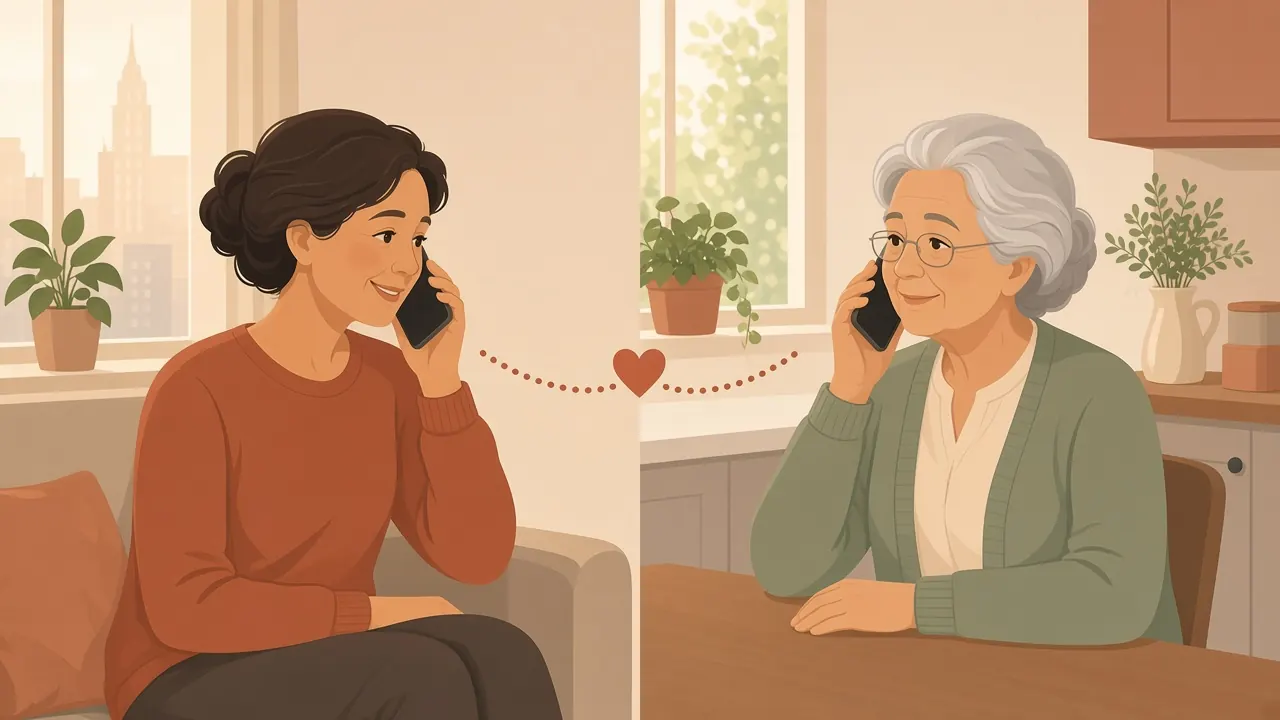
Smart, capable people get fooled. A parent, a grandparent, a sibling, a friend, a young adult, someone lonely or grieving, someone new to the technology, or you. It can feel humiliating. Some people stay quiet because they are afraid of losing their independence, or of being treated like they cannot handle their own life. Some stay quiet because the scammer told them not to talk to anyone. Some still believe the story, especially in a romance scam. Some just do not want to be a burden.
It is not their fault. It is always okay to tell someone. Say that before anything happens, not only after.
“If anything like this ever happens, even if money is already gone, I will not be mad and I will not take anything away from you. I will just help. Deal?”
One scam per conversation. Bring up the next one another day. The scam list has a question for each one, so you do not have to invent it.
“Have you heard about this one? What do you make of it?”
“How would you handle a call like that? I’m not sure I would spot it.”
A story about something that almost happened to you is easier to hear than a warning aimed at them.
Agree to call each other before sending money to anyone who contacted you first. Add a family code word, and the promise that you will just help.
Stop while it still feels like a conversation. Point to one page, or print the fridge list, and leave it there.
Pick a word or a short phrase only your people know. It works for a parent, and it works for anyone else you would rush to help. If a panicked call “sounds like” someone you love, hang up and call them back on the number you already have. Or ask for the code word. A real person will not be offended. A scammer will not know it.
“If you ever get a call that sounds like me in trouble, hang up and call me back. Or ask for our code word.”
Write the word on the fridge checklist, not in a text thread a stranger could see. You do not have to tell this website what the word is. There is nowhere here to store it.
The same rule applies if you look after a parent, a friend, a young adult, or anyone who is vulnerable, lonely, grieving, new to the technology, or just unsure. At home or as your job. Ask. Don’t accuse. You may be the first person who notices something is off. The question works if that person is you, too.
Things that are worth a gentle question:
“You seemed upset after that call. Is everything okay? Anything I can help with?”
Respect their right to make their own choices. Don’t carry the worry alone. Tell someone they trust, or your agency. Make a report with your local police department by calling its non-emergency number. Anyone can also report at reportfraud.ftc.gov. If the person is 60 or older, the National Elder Fraud Hotline at 833-372-8311 will walk them through it. Your state’s Adult Protective Services can help when an older or vulnerable adult is being exploited. Call 911 if a pickup or a payment is happening right now.
Thank them for telling you. It is not their fault, and it is always okay to tell someone. Then move the money problem to the bank, using a number you look up, and report it.